Dave's Hot Chicken Masterclass Dave's Hot Chicken Masterclass
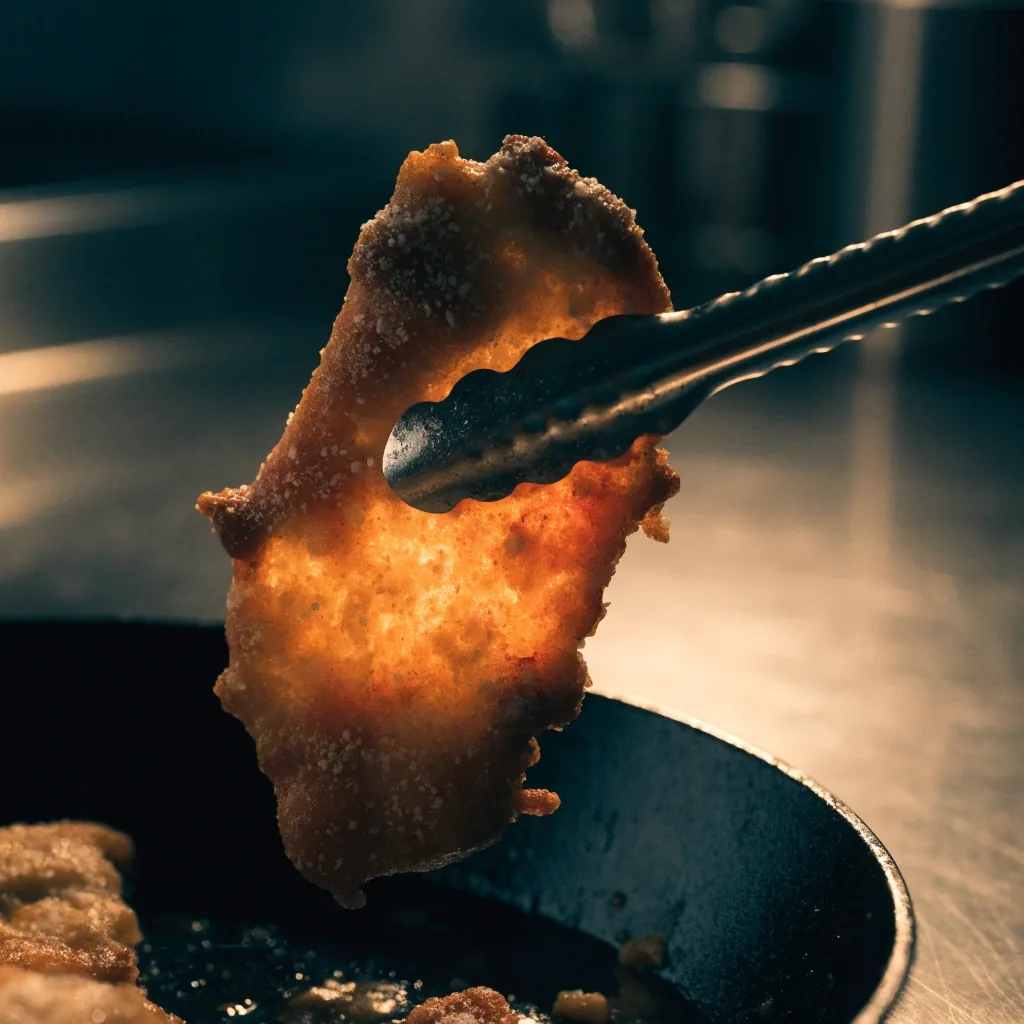
Fried chicken tenders lifting from a fryer basket under amber kitchen light

What you'll cook

Tenders, sliders and wings, start to finish

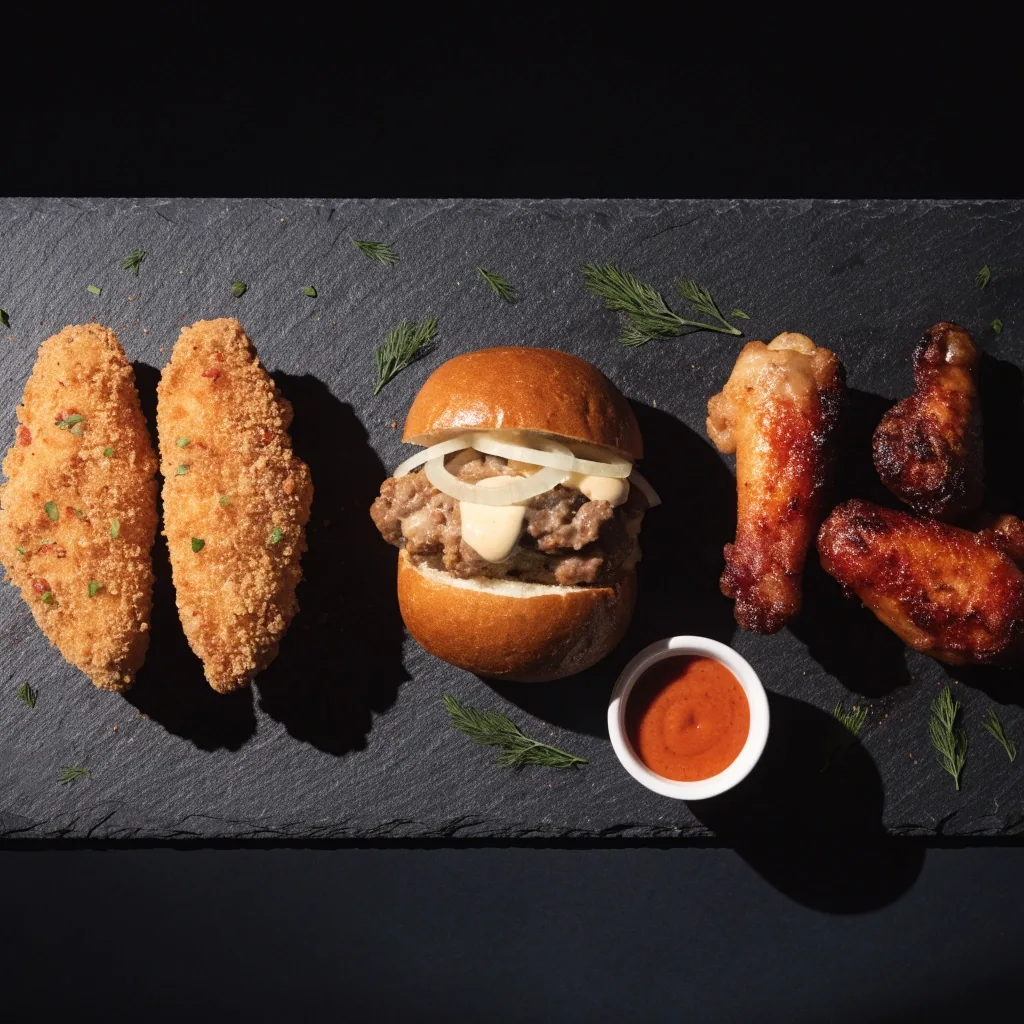
This page is the plate-by-plate preview of the flagship course. Every dish below is something you build yourself in the lessons, with the same frying technique, the same seasoned coating, and the same heat ladder that runs from mild through Reaper. Look through it the way you would look through a menu before you sit down.

The four formats

Every dish, and where it sits on the heat ladder

Pick a row to see how the format changes as the spice climbs. The technique stays the same; the sauce and the coating build change.

Mild · start here Classic tenders — golden, juicy, dredge and first fry Cooling side: kale slaw and a buttermilk ranch dip Tenders
Medium Sliders — brioche bun, pickles, comeback sauce Cooling side: quick-pickled cucumber and a soft bun lid Sliders
Hot Wings — double-fried, spice bloomed in hot oil Cooling side: dill ranch and a celery and herb salad Wings
Reaper The full spread — tenders, sliders and wings on one tray Cooling side: sweet pickle, cold slaw, cold milk bun Platter

The anchor dish

Juicy Nashville hot chicken tenders

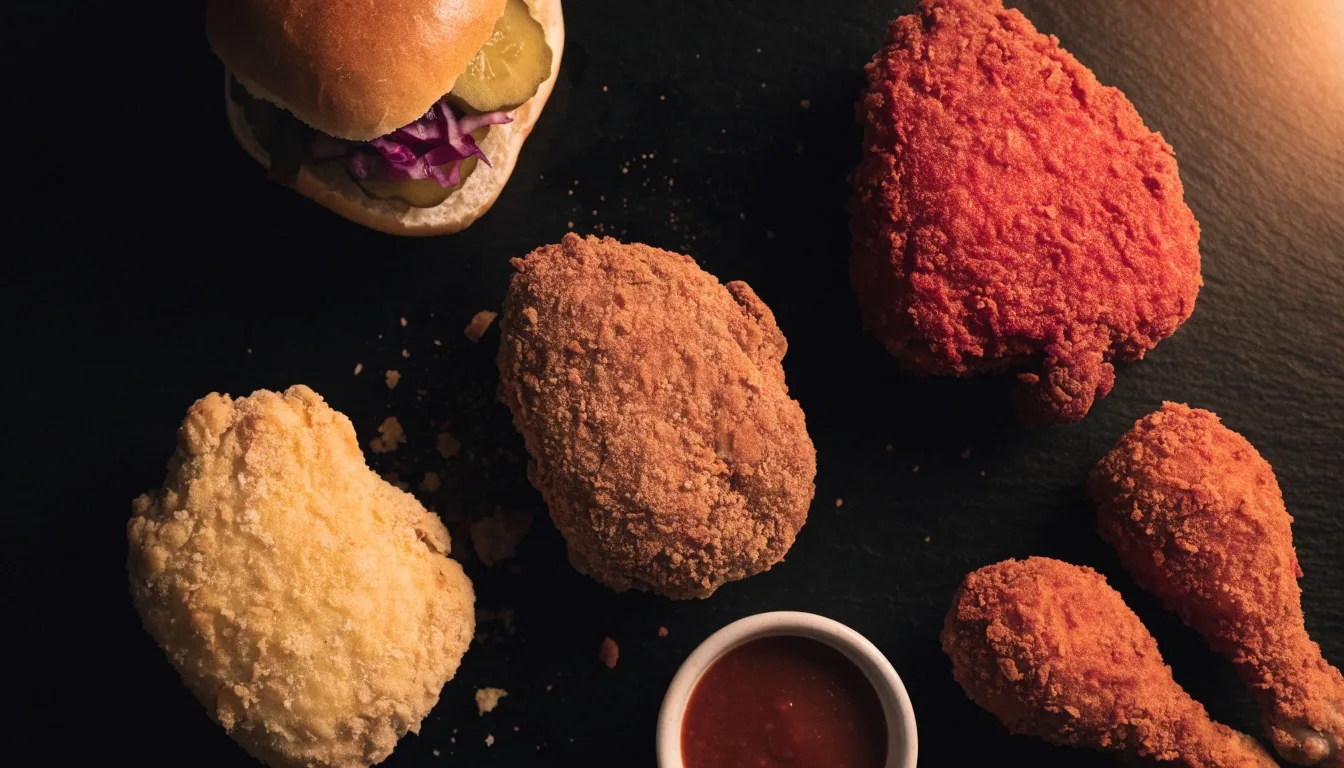
Tenders are the first thing you cook in the course and the dish you return to when you want to check your technique. The lesson walks the whole chain: brining the strips so they stay juicy past the fryer, building a seasoned dredge that clings instead of falling off in the oil, holding the temperature steady so the crust sets before the meat overcooks, and tossing the finished tenders in the sauce while they are still hot enough to take it.

You also learn the part most home cooks skip — the resting minute. A tender straight out of the oil keeps cooking on the rack, and the course shows you the timing window where the crust is at its crispest and the inside is still pink-free and juicy. That single habit is what separates a daves hot chicken tender from a decent fried strip.

Fried chicken tenders on a wire rack dusted with red spice
Night kitchen counter with brined chicken strips and a dish of seasoned flour under amber light

Three formats, one tray

Sliders and wings that hold their crunch

Sliders and wings are the two dishes people order first in a Nashville hot chicken shop. The course shows you how to build each one so the crust survives the sauce.

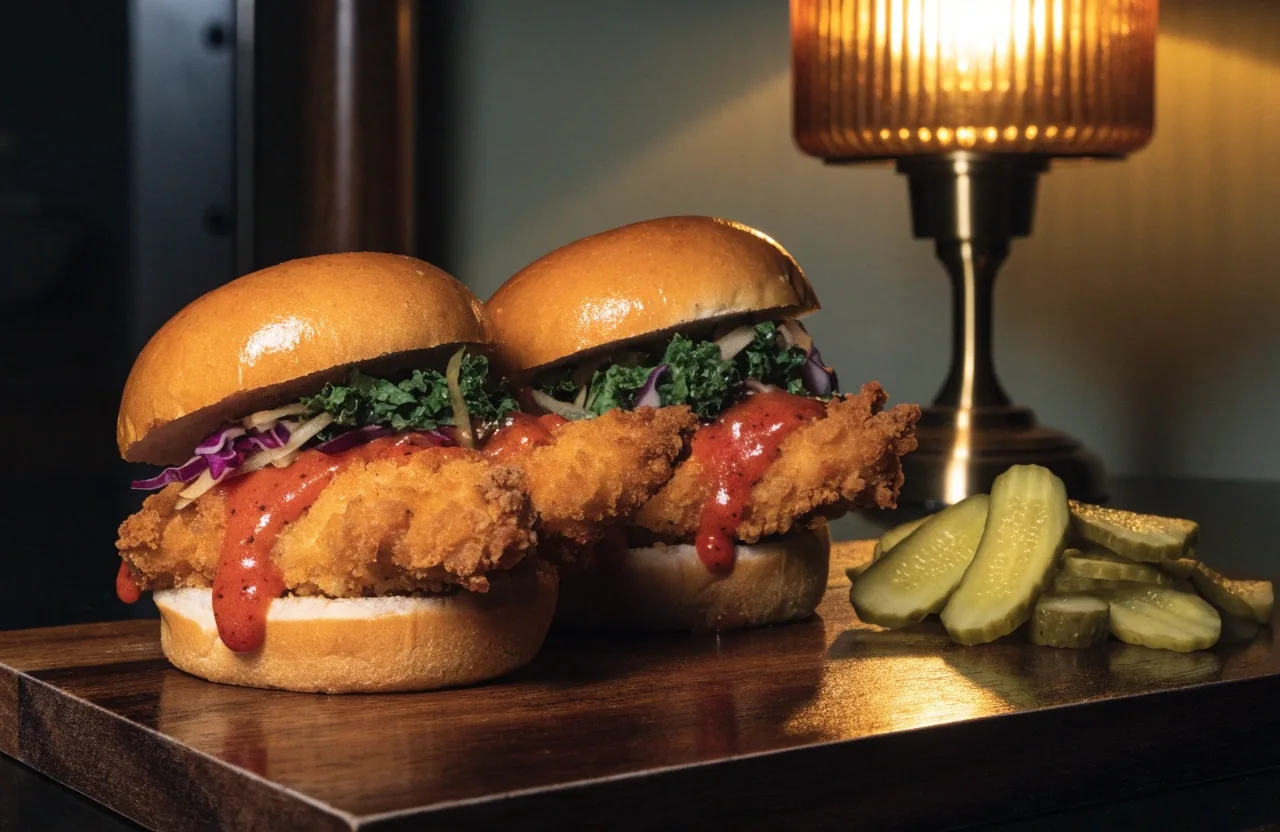
Hot chicken sliders

You learn the slider build from the bottom up: a sweet brioche bun toasted cut-side down in a dry pan, a butterflied tender dredged and fried to order, a spoon of comeback sauce spread on both halves, and a small stack of dill pickles for acid and crunch. The lesson covers the ratio that keeps the sandwich from going soggy on the plate — bun, sauce, pickle, then chicken — so the crust stays crisp from the kitchen to the table.

Pairs with: comeback sauce, honey drizzle
Crispy hot chicken wings

Wings get the double-fry treatment. The first fry cooks the meat through at a lower temperature; the second fry, hotter and shorter, is what builds the shell that holds sauce without turning soft. Between the two fries the wings rest on a rack instead of a paper towel, so the underside stays crisp. Then you bloom the spice in a small pan of hot oil and toss the wings in it the moment they come out of the second fry.

Pairs with: dill ranch, celery and herb salad

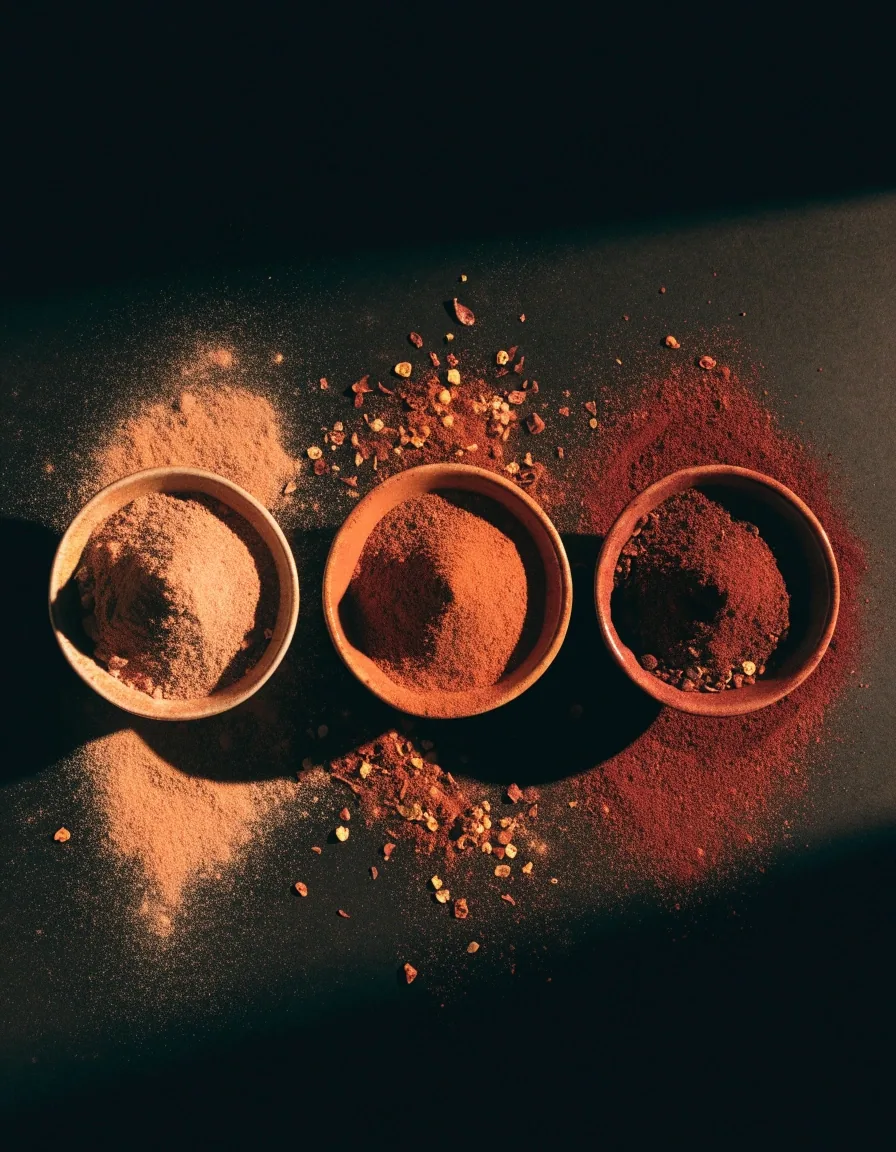
Row of three matte bowls holding different shades of red spice powder

Sauces and sides

The secret sauces, and the sides that cool them

Sauce is where the heat ladder actually lives. The course builds four of them from the same base: a spiced frying oil, a spoon of the coating blend, and a small amount of something sweet to round the edge. Change the chili and the ratio and the same base becomes the mild toss, the medium, the hot, or the Reaper version. You make each one in the lesson and taste them side by side, so you learn the ladder by mouth and not by a chart.

Every sauce is paired with a cooling side that earns its place on the tray — kale slaw with a vinegar dressing, dill ranch, quick pickles, and a soft milk bun. Those sides are not decoration. They are what makes a Reaper tender something you can eat more than one of, and the course treats them as part of the recipe instead of an afterthought.

Cross-section of a hot chicken slider on a wire rack

Pick your finish

How the heat ladder shapes what you plate

The dish you cook first depends on how much heat you actually want on the plate. Choose the level you want to start at.

Mild

Tenders with the spice cut back, finished with a honey drizzle.

Good first cook. You learn the fry and the dredge without chasing heat at the same time.

Medium

Sliders with a full spoon of comeback sauce and extra pickle.

Where most people stop. The build is more forgiving than wings because the bun cools the bite.

Hot

Double-fried wings tossed in the spiced oil while still hot.

The sauce goes on in the pan, not on the plate. Timing is the whole lesson here.

Extra hot

A mixed tray of tenders and wings under one sauce.

You plate for a group here, so the cooling sides matter as much as the chicken.

Reaper

Tenders, sliders and wings on one platter with every cooling side.

The full spread. Slaw, pickle and milk bun all sit on the tray before the first bite.

Your call

Start mild, finish at the level you actually enjoy.

The course is the same either way. The heat level is a setting you change in the sauce, not a different course.

What comes with every dish

Full ingredient list per dish, written for a home kitchen Included
Step-by-step video for the dredge, the first fry and the second fry Included
Sauce recipes across the full heat ladder, mild through Reaper Included
Cooling sides: kale slaw, dill ranch, quick pickles, milk bun Included
Oil temperature guidance and a way to test it without a thermometer Included
Plate-and-hold notes so the crust survives a few minutes on the counter Included
Hands placing a brioche bun lid on a fried chicken slider

From the first fry to the full spread

The dish list is not a menu you order from. It is the order you cook in. You start with a single tender and a single fry, learn what the oil is telling you, and then work forward: dredge, first fry, rest, sauce, plate. By the time you reach sliders and wings you already have the habits that keep a crust crisp and a tender juicy, so the new dishes are about assembly and timing instead of new technique.

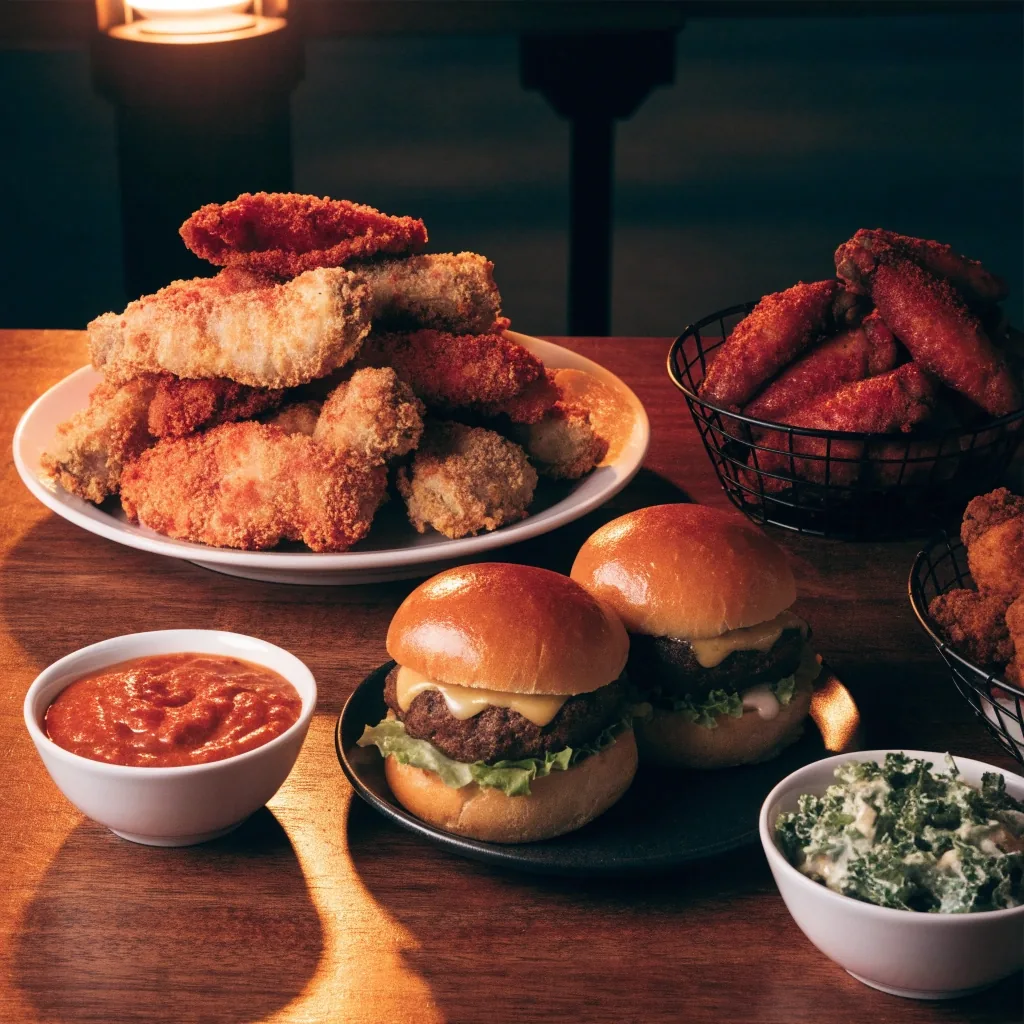
The last lesson puts it together as one tray — tenders, sliders and wings cooked in the same session, with the sauces and sides lined up beside them. That is the picture this page is showing you. Not a restaurant's output, but a table you set yourself, on a weeknight, with the heat dialed to whatever level you want that day.

01Enroll page has the plan and pricing details 02Questions go to the contact page

Questions about the dishes

Do I need a deep fryer to cook these dishes? Open

No. A heavy pot with a few inches of oil works for every dish on this page. The course covers how to hold the temperature steady on a stovetop, how to tell when the oil is ready without a thermometer, and how to fry in small batches so the temperature does not drop when the chicken goes in.

Can I cook the Reaper level on the first try? Open

You can, but the course suggests starting mild and moving up. The heat is a setting in the sauce, not a separate technique, so it makes sense to learn the fry and the coating first and add spice once the crust is working. That way you know whether a problem is the heat or the technique.

How long do the sauces keep once I make them? Open

The spiced tossing sauce is best used the day you make it, because it is built on hot oil and loses its edge as it sits. The cold sauces — comeback, dill ranch — keep in the fridge for several days and get better after a few hours as the flavors settle. The course notes which is which on every recipe.

Will the sliders still be crisp if I make them ahead? Open

Assemble them close to serving. The bun takes on moisture from the sauce and the hot chicken, and a slider built twenty minutes early will lose the crunch that makes it worth eating. If you are cooking for a group, fry and hold the tenders on a rack in a warm oven, then build the sliders in the last few minutes before the table sits down.

Are the sides taught as recipes or as suggestions? Open

As recipes. Kale slaw, dill ranch, quick pickles and the milk bun each get their own walkthrough, because the cooling side is doing real work on a hot plate. Skip them and the chicken is harder to eat; build them properly and the whole tray balances.

Next step

Pick the dish you want to cook first

The full course covers all of these dishes, with the sauces and the heat ladder built in. Enrollment is the next page if you already know which level you are starting at.