
About the kitchen
The people behind the heat ladder
Dave's Hot Chicken Masterclass is built by cooks who write, test, and rewrite every Nashville hot chicken recipe until a home kitchen can repeat it. Here is who teaches the course and how the tenders, sliders, and wings get their numbers.
Who teaches it
A small teaching kitchen, not a studio set
The course comes out of one working kitchen where a rotating crew of four cooks develops recipes between service. Each person owns a station: dredge and fry, sauce and heat, slaw and sides, and buns and assembly. Nobody writes a lesson on a dish they have not cooked at least a dozen times at home scale, on home equipment, with ingredients a grocery store actually stocks.
That rule shapes everything you watch. When a lesson shows a tender coming out of the oil, it is the same tender the instructor pulled that morning. When a sauce gets poured, the quantities on screen are the quantities in the downloadable sheet. If a step only works on a commercial range, we either cut it or show you the home version and say so out loud.
What each instructor covers
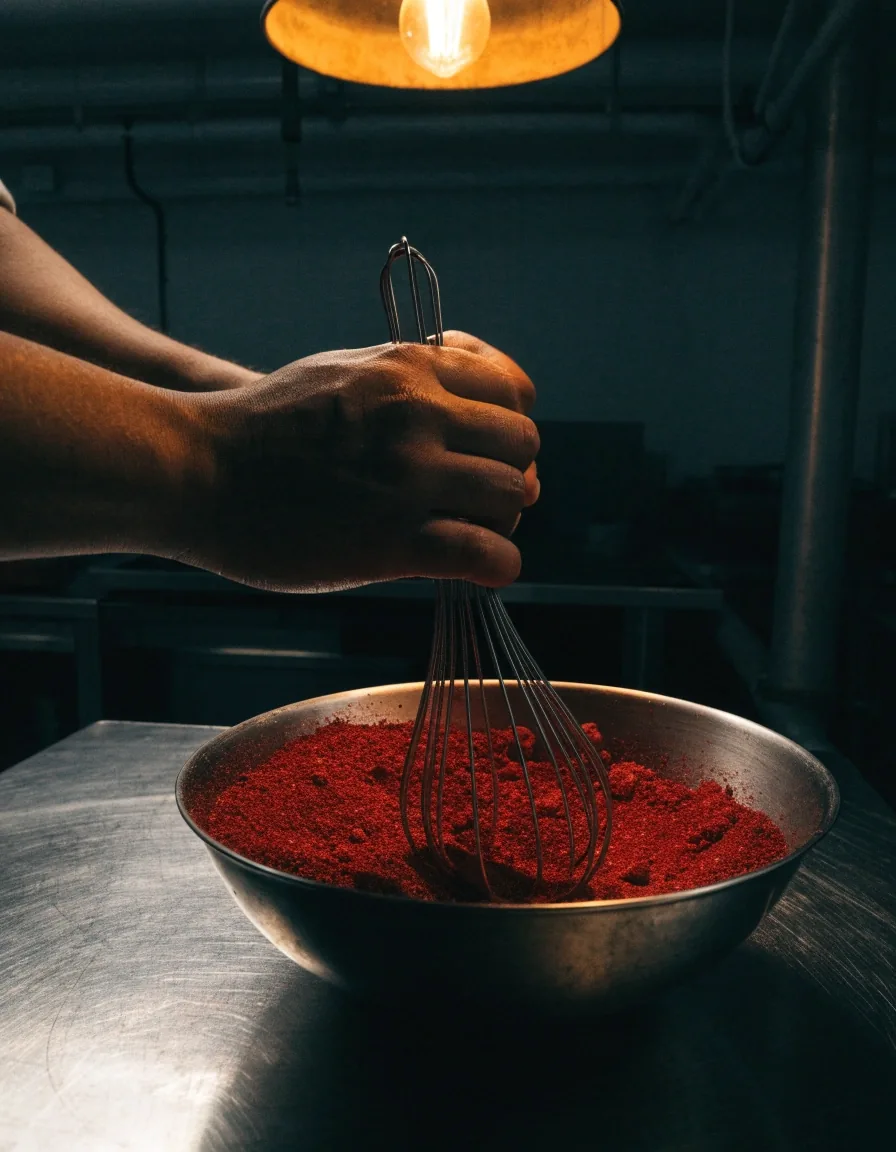
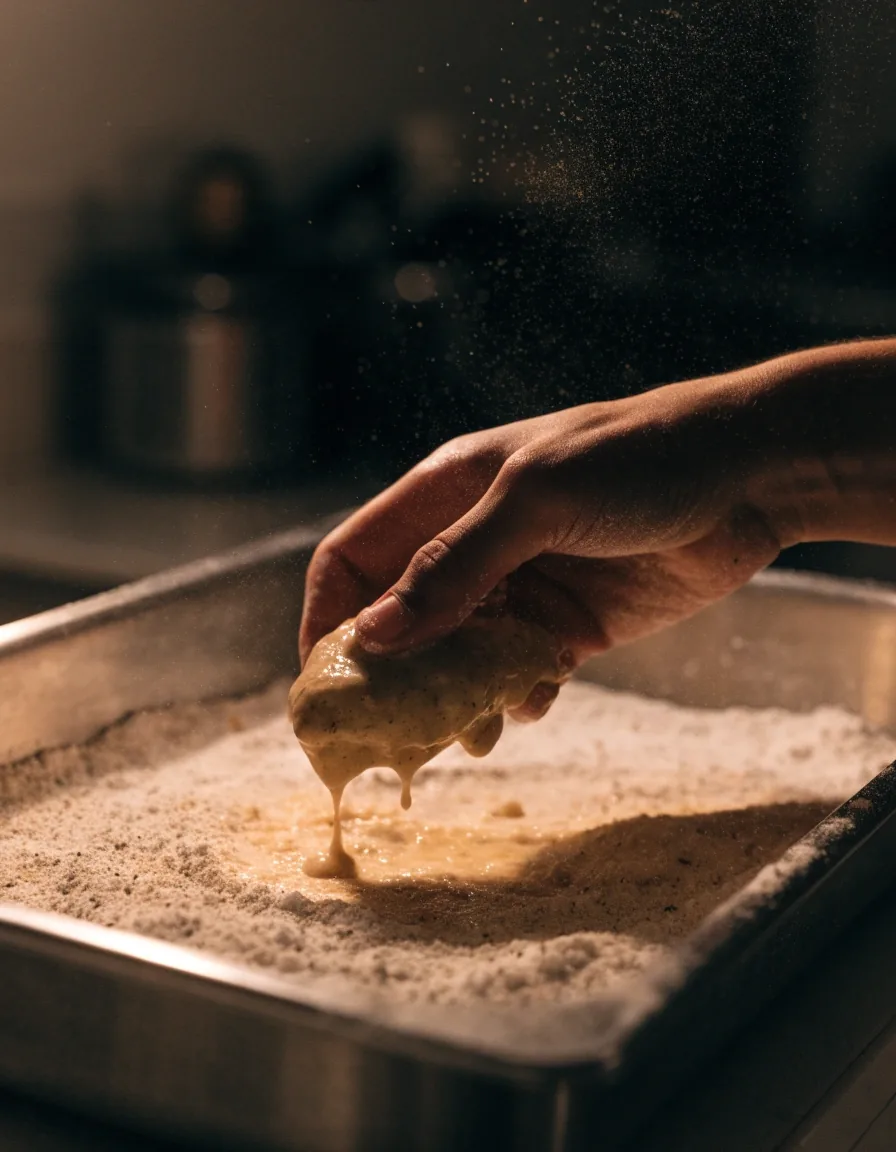
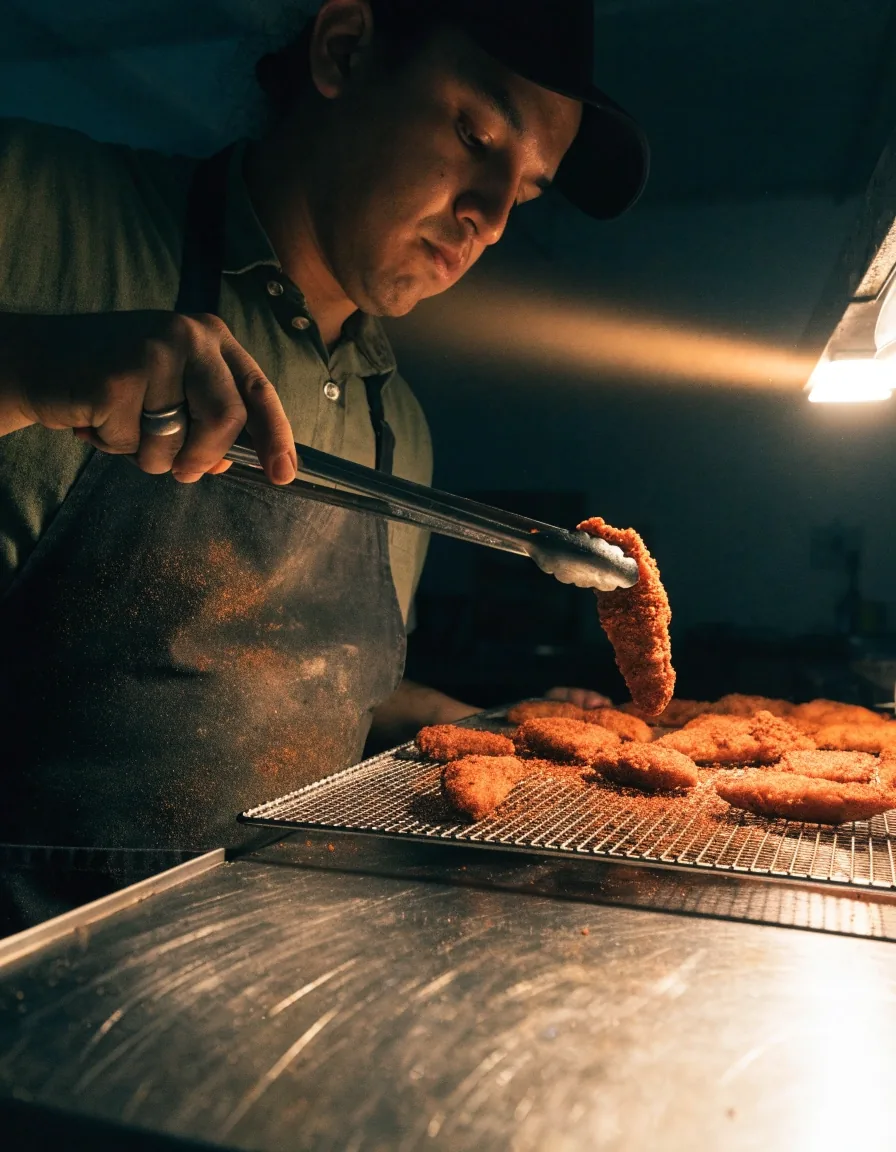
- Dredge and fry — buttermilk soak, coating, oil temperature, resting Tenders and wings
- Sauce and heat — the oil-and-spice base and how each level is built Mild to Reaper
- Slaw and sides — cooling elements that make the hotter levels edible Balance
- Buns and assembly — sliders that hold together past the first bite Sliders
How a recipe gets approved
Four passes before a lesson ships
A recipe does not become a lesson because it tastes good once. It has to survive four passes, and each pass has a different cook running it so no single palate decides what "right" means.
Cook it badly on purpose
We run the recipe the way a rushed beginner would: wrong oil temperature, over-brined, under-rested. If the dish still comes out edible, the instructions are forgiving enough to publish. If it fails, the step that failed gets rewritten before anything else happens.
Dial the heat level
Each sauce is tasted against the level below it. Mild has to stay mild enough for someone who avoids spice; Reaper has to be hot without turning bitter or tasting like raw powder. We adjust the spice ratio, the oil, and the cooling side together, because a hotter wing needs a slaw that actually cuts it.
Film it without a script
The lesson is shot with the cook talking through what they are doing, not reading a script. If the instructor has to stop and re-explain a step three times, that is a sign the written sheet is confusing, and the sheet gets fixed before the video is edited.
Re-test on a home stove
Before release, the whole dish is cooked on a regular home range with a standard cast-iron pan and a thermometer you can buy anywhere. Anything that only works on commercial equipment gets replaced or flagged in the lesson notes.
What we change
Recipes get revisited when an ingredient changes. If a widely sold paprika shifts its heat, the mild and medium sauces get retested so the ladder stays consistent from year to year.
Enrolled students keep access to the updated version of every lesson. When a sauce ratio changes, the note explains what changed and why, so you can compare against what you already cooked.
The test kitchen
Where the recipes are made
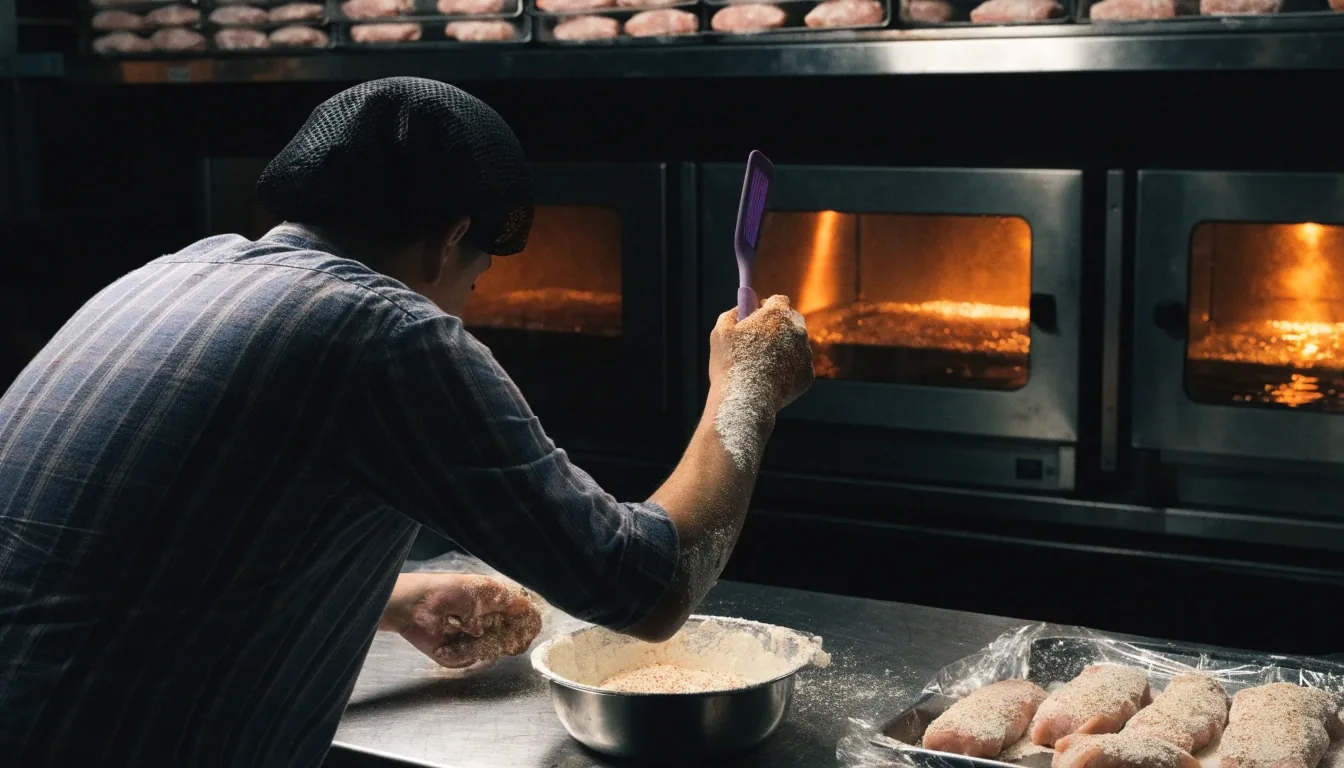
The kitchen is deliberately unglamorous: two fryers, a prep counter, a wall of stainless trays, and a rack of sauce bottles labeled by hand. There are no branded aprons and no sponsored ingredients. If a cheaper flour works as well as a premium one, the cheaper flour ends up in the recipe.
It is also where the harder questions get answered — how long a fried tender actually holds its crust before it steams soft, how much sauce a slider can take before the bun gives out, and whether a wing reheats in an oven without turning rubbery. Those answers are the parts of the course that home cooks say they cannot find anywhere else.
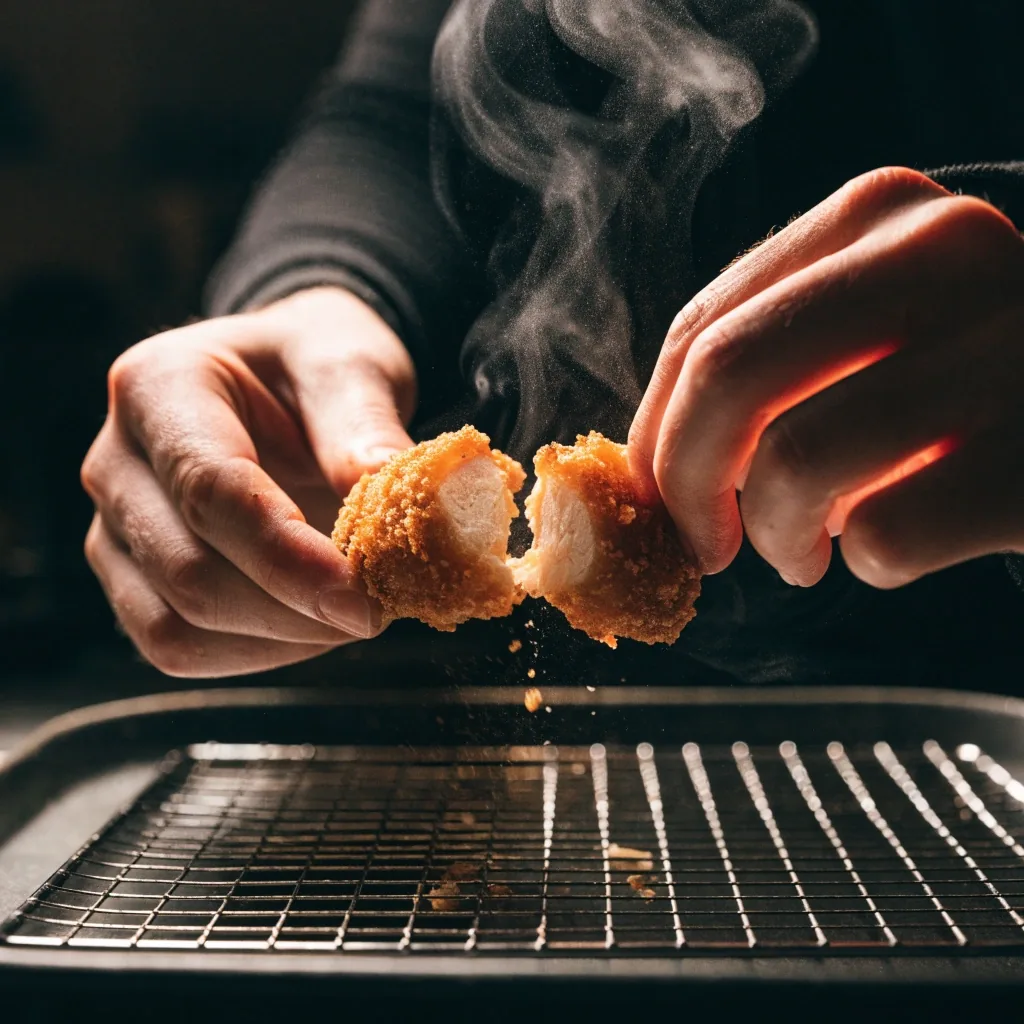
Dredge and fry
Coating ratios, oil temperature, and resting windows, all tested on a home range.
Sauce and heat
The oil-and-spice base, the mild-to-Reaper ladder, and how each level is built.
Assembly
Sliders, buns, and cooling sides, assembled so they hold together past the first bite.
What you get
Standards you can count on
The course is written for home cooks who want a repeatable result, not a one-time performance. These are the promises the teaching team holds itself to.
- Every recipe is tested on a normal home stove before it ships Home range
- Ingredient lists name what is actually on a grocery shelf, not a specialty catalog Everyday stock
- Heat levels are taught as a ladder, so you can move up or down one step at a time Mild to Reaper
- Sauces are built from an oil-and-spice base, not a single store bottle From scratch
- Updated lessons stay available to enrolled students, with a note on what changed Living recipe
- Lessons name the cooling side or slaw that goes with each heat level Paired sides
A day in the kitchen
How a recipe goes from idea to lesson
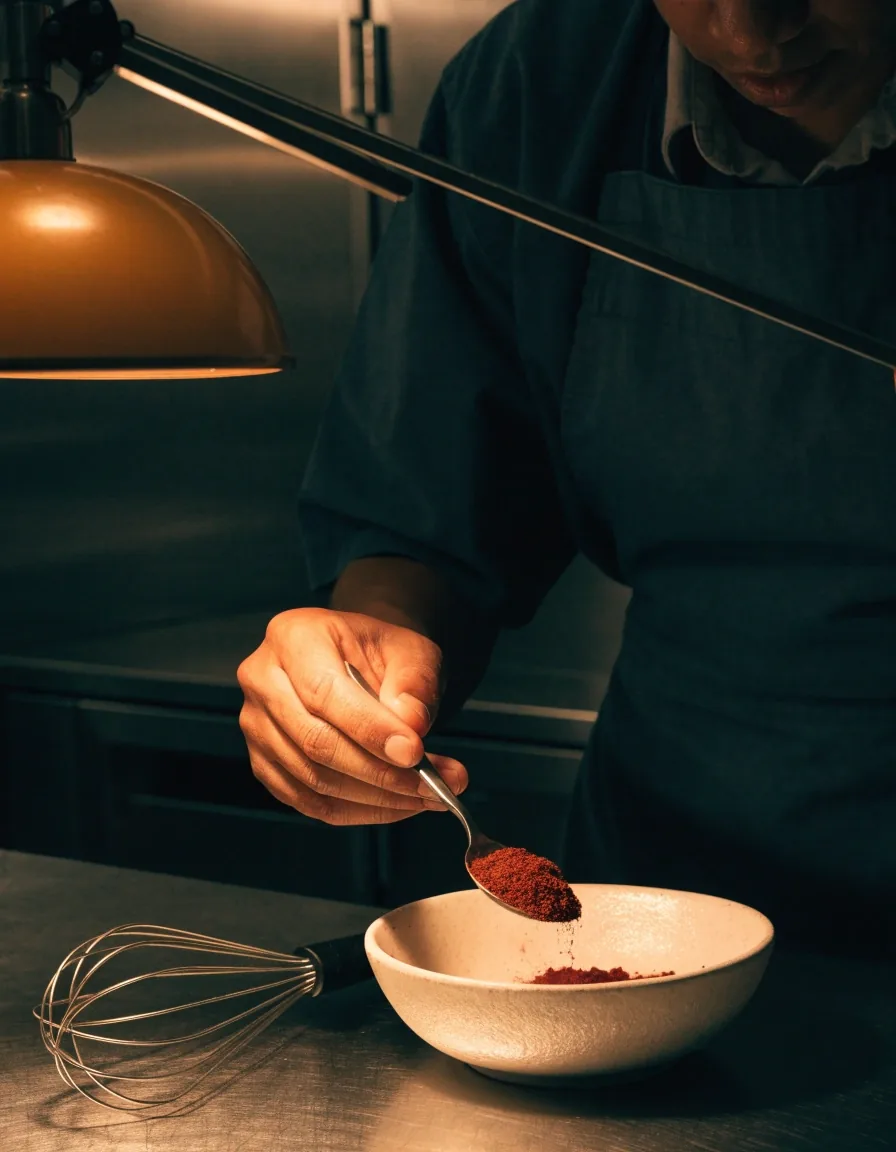
A new recipe usually starts as a problem someone hit at home. A student emails asking why their coating slides off; a cook notices their tenders go soft faster than they used to. That question becomes a test: we cook it four different ways in one morning, write down what actually happened, and pick the version that survives a second try.
From there the recipe goes through the four passes above, gets filmed in one take, and lands in the course with a written sheet that matches the video frame for frame. Nothing is added for looks. If a step is in the lesson, it earned its place by fixing a problem we could name.
Ready to cook with us?
See the full module list, the heat ladder, and the dishes you will actually plate. If you want to talk through which level fits your kitchen, the team answers questions during working hours.
Questions about the kitchen
Straight answers about who teaches the course, how the recipes are tested, and what you can expect once you enroll.
Who actually teaches the lessons?
Do I need commercial equipment to follow along?
How often do recipes change?
Is Reaper as hot as it sounds?
Can I reach the teaching team?
Come cook the ladder with us
The flagship course covers juicy tenders, sliders, and wings with signature sauces built from an oil-and-spice base and a full heat ladder from mild to Reaper. You will cook on your own equipment, follow written sheets that match the video, and keep access to updated lessons as recipes change.
Start with the course outline, then pick the enrollment plan that fits how far up the ladder you want to go. If you are unsure where to begin, the team is happy to talk it through before you commit.
Where to find us
Dave's Hot Chicken Masterclass
915 Spice Kitchen Boulevard, Building B
Memphis, TN 38103, USA
+1-901-555-0844
[email protected]
Monday to Friday 9:00 AM – 6:00 PM
Saturday 10:00 AM – 4:00 PM
Sunday closed